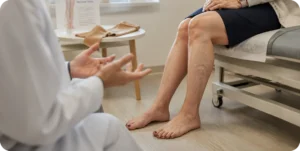
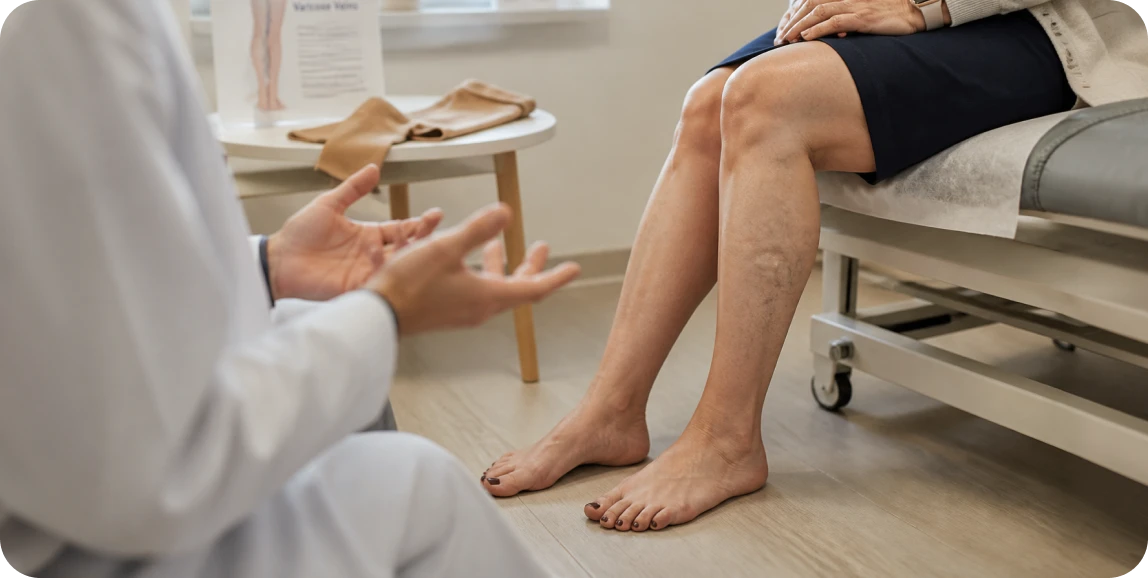
Do you have veins that are swollen and visible just under the surface of your legs? Or have you ever noticed your legs feeling heavy?
Your body might be telling you something important about your health if you have any of these symptoms.
You probably didn’t know how prevalent varicose veins are. About 23% of adults in America suffer from varicose veins. But many adults take them as a normal part of aging and fatigue from their daily routine. This is a huge mistake to make. It is much easier to deal with them if you detect them early on.
Many people do not realize that these visibly swollen veins could mean a problem with their circulation system. While rare, there are times when it leads to dangerous conditions such as ulcers and clots.
In this guide, we discuss the actual early varicose vein signs. With knowledge of these warning signs, you will always be one step ahead of your health.
What are Varicose Veins?
Varicose veins refer to enlarged and twisted veins that usually develop on the surface of the legs and feet. This occurs due to the weakening or damage to the valves. This situation causes blood to collect and flow backward and it leads to higher pressure on the vein walls. They tend to look like dark purple or twisted ropes. There could be accompanying symptoms that will be discussed in this guide.
8 Early Varicose Vein Signs
Your varicose veins will try to signal before the appearance of those bulging veins on the leg’s surface causes any problems. Understanding these symptoms in the early stages will help you manage your condition before the pain starts impacting your daily activities and your overall health.
These are eight early varicose vein signs that most of my patients observe in the early stages:
1. Legs Feel Heavy
This sensation of heaviness and pulling in your legs can be an early warning sign of DVT. The legs feel heavy after standing or sitting too much for a long period of time. This happens because there is a buildup of blood at a high pressure level in the veins of the legs.
2. Aching/Throbbing Pain
This constant pain felt especially in the back part of the leg muscles is more prominent as the day progresses. This can also be characterized as a burning sensation within the muscle tissue.
3. Ankle and Feet Swelling
Swelling of the ankle and foot area is common. This is caused by blood buildup and not circulating well in the body. The swelling will usually resolve itself when resting at night.
4. Itching/Burning Sensation in Veins
This is a sensation of irritation or burning near the veins that can be seen in the skin. Some people might notice dry and scaly patches as well. This happens because of pressure buildup from poor blood circulation.
5. Visible Blue or Purple Veins
These appear as smaller veins becoming more visible on your thighs or calves. This marks the beginning of some changes taking place under the skin’s surface.
Spider veins are the name for the network of red or blue lines visible on your thighs or calves. While many people take these as cosmetic issues, they actually show early varicose vein signs.
6. Nighttime Leg Cramps
These are unexpected spasms of your muscles during the night, which can happen in your calves or feet. It’s believed that this symptom shows vein problems, not a lack of water or mineral depletion in your body.
7. Restless Legs Syndrome
This symptom occurs due to poor blood flow to your muscles. In most cases, cramping and restlessness occur after prolonged inactivity. This condition refers to constant movement in your legs during nighttime while relaxing. It’s one of the common accompanying signs of varicose veins.
8. Skin Changes Near the Veins
Some early changes include changes in the skin’s color near the veins. There may also be shiny skin or even dark patches appearing near the veins. This means that there’s excess blood pooling nearby, instead of circulating normally.
Do not wait until they get twisted and painful beyond control. If you are suffering from any of these symptoms more than twice, it is definitely a sign worth visiting them soon. This will allow you to avoid any complications and ensure healthy legs for decades.
Varicose Vein Causes and Risk Factors
Learning what causes your body to form varicose veins is perhaps the greatest thing you could do. The process is driven by a combination of certain underlying problems and your lifestyle choices. This has an impact on the way blood flows in your veins. Thankfully, being aware of these problems will help you realize what can cause your varicose veins.
Below you will find a list of these causes together with risk factors.
| Causes | Risk Factors |
| Weak or damaged vein valves | Family history / Genetics |
| Blood pooling in the lower legs | Age, especially over 40 |
| Increased pressure on the vein walls | Being female – hormonal changes |
| Chronic venous insufficiency | Pregnancy |
| Poor blood circulation | Lack of regular physical activity |
| Vein wall weakening over time | Prolonged standing or sitting |
| Obesity puts extra pressure on leg veins | Previous leg injury or blood clots |
Varicose Vein Complications
The complications that arise from varicose veins are uncommon. However, neglecting them will eventually result in serious problems. The malfunctioning vein valves along with poor circulation have an effect that cascades and impacts your well-being and comfort.
Some of the most common complications caused by varicose veins include the following:
- Chronic Leg Edema:
Fluid accumulation in the ankles and calves persists for hours and becomes increasingly severe as the day goes by. It may cause you discomfort and restrict your shoe size options.
- Venous Leg Ulcers:
Slow-to-heal and open sores that appear around the ankles. Venous ulcers are painful and susceptible to infection. They can have a significant negative influence on your quality of life.
- Varicose Veins Bleeding:
Bursting of fragile and enlarged veins that is likely to cause substantial bleeding.
- Higher Likelihood of Deep Vein Thrombosis:
Formation of blood clots in deep veins due to the advancement of the condition. There is a serious risk associated with the possibility of the clot reaching the lungs.
The good news here is that these problems are preventable with the right treatment. A vein specialist can help you avoid these problems and keep your legs healthy in the future.
Prevention
Some small changes in your lifestyle may help you avoid or at least minimize varicose veins. You will be surprised how drastically big changes in your lifestyle can affect your situation.
The following are some ways that will help you avoid varicose veins:
- Exercise in a Safe Way
- Maintain a Proper Weight
- Leg Elevation
- Do Not Sit or Stand for Too Long
- Use Compression Stockings
- Diet Friendly for Veins
- Good Posture
- Do Not Wear High Heels and Tight Clothes
Final Thoughts!
Varicose veins are about much more than their appearance. They are your body’s way of telling you that your circulation needs a little attention. If you catch the symptoms early, you can take control.
The best part is that in most cases, early intervention and appropriate management will produce great results. Addressing these problems now will help you avoid future issues and discomforts.
Here at NY Heart & Vascular Care, our team of experts excels in vein assessments and treatments tailored to your unique needs.
Frequently Asked Questions
Why does the condition of varicose veins lead to an itch?
The lack of proper blood flow causes irritation in the skin. Some people also experience tingling along with the itch.
Can men get varicose veins too?
Absolutely. They’re more common in women. But plenty of men develop them especially if they have a desk job or work on their feet all day.
Does a spider vein turn into a varicose vein?
Not necessarily. Spider veins only serve as an early warning of some venous disorder. They are much smaller than varicose veins.
How do you treat varicose veins?
The treatment options range from simple, such as sclerotherapy and laser treatment, to something more complicated. Patients recover very fast after treatment.
How do you diagnose varicose veins?
A doctor will normally do a physical exam. He may recommend a duplex ultrasound to see how well blood is flowing in your veins.