
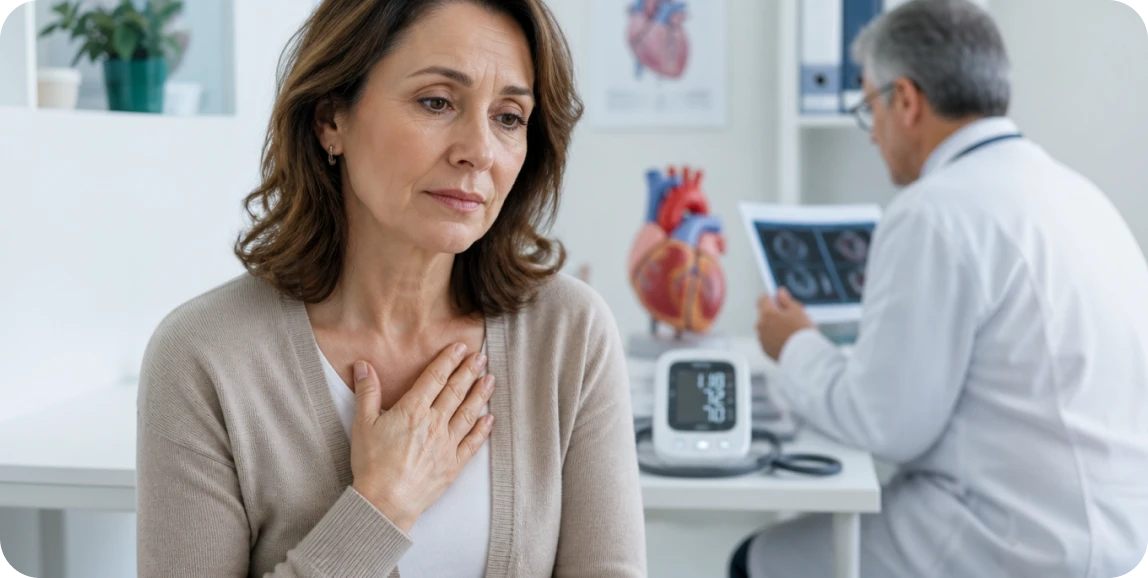


People generally tend to think that a heart attack occurs like in those Hollywood dramas. Reality is completely different. The onset of coronary artery disease is very quiet, and this poses dangers that many would never expect.
Heart disease is the leading cause of death in women in the US. Why? Because, unlike men, they usually show no symptoms of the disease at all. What women actually go through are symptoms that get attributed to stress or just aging.
Here is the bitter reality that cardiologists need every woman to know. Women are more prone to having symptoms that seemingly have nothing to do with a heart attack. These symptoms are your body’s first attempt at letting you know something is seriously wrong.
This article will discuss seven coronary artery disease symptoms that every woman should be aware of. You’ll find out the reason behind women showing these symptoms and what you can do to improve your heart health.
What is Coronary Artery Disease?
Coronary artery disease is the most typical type of heart disease. CAD occurs when the blood vessels responsible for supplying your heart muscle begin to narrow and become blocked over time. CAD mostly results from the build-up of plaque within the wall of your arteries, referred to as atherosclerosis.
Your heart will receive less oxygen-rich blood as these arteries stiffen and narrow. Such instances could result in chest pain and other related complications, such as angina and even heart attacks should there be any total blockage.
7 Common Coronary Artery Disease Symptoms
Coronary artery disease doesn’t always present obvious symptoms in women. And some of these are easily ignored or mistaken for something else entirely. Early detection can save you from further harm. Here are 7 symptoms you ought to watch out for:
1. Unusual or Excessive Fatigue
Fatigue is among the first noticeable coronary artery disease symptoms especially in women who tend to overlook these symptoms. It is because they think it’s just stress or hormones. Extreme exhaustion is one of the symptoms that can result from your heart straining as it pumps blood through hardened and narrowed arteries.
2. Shortness of Breath
Feeling worn out during everyday activities. Some may even get exhausted while resting. And it is a frequent warning sign. Many women describe it as struggling to catch their breath. Sometimes shortness of breath is without any chest discomfort at all.
3. Chest Discomfort or Pressure
Men often feel crushing chest pain. But women may experience softer pressure or burning in the chest. It can come and go and sometimes feel more like indigestion than a heart issue.
4. Upper Back, Neck, Jaw, or Arm Pain or Discomfort
Upper back pain, neck pain, jaw pain, or arm pain is very prevalent among women. The symptoms may be those of aches and pains that do not disappear with lying down.
5. Nausea, Indigestion, and Abdominal Pain
Constant indigestion, nausea, vomiting, or pain in the upper abdomen can indicate poor blood supply to the heart. In most cases, women discover that the problems they suffered from were due to their hearts.
6. Dizziness or Lightheadedness
Dizziness and lightheadedness are also common symptoms of CAD. Some might faint, especially when standing up. These can happen because the heart isn’t delivering enough oxygen-rich blood to the brain.
7. Cold Sweats or Heart Palpitations
Breaking out into a cold sweat without reason or irregular heartbeat are symptoms worth taking seriously. They can point to your heart struggling under stress.
Other Symptoms Women Might Experience
Most conversations around coronary artery disease stop at the classic seven symptoms. But for many women, the warning signs go well beyond that list. These additional symptoms are just as real as the above seven.
- Feeling hot or flushed
- Numbness or tingling in the hands and fingers
- Loss of appetite
- Nausea or vomiting
- New or sudden vision problems
- Headaches
- Persistent cough
- Choking sensation
- Fast heart rate
Risk Factors For Coronary Artery Disease
The development of coronary artery disease symptoms does not happen overnight; it takes years to develop due to several different reasons. The good news is that by identifying your risk profile, you can make a difference and prevent it from occurring. Many risk factors are shared by both genders. But certain ones carry extra weight or show up differently in women.
Here is a clear detail of the major risk factors:
| Risk Factor | Description |
| Age | Risk increases after 55 in women |
| High Blood Pressure | Artery walls are damaged by persistently high pressure |
| High Cholesterol | Excess LDL cholesterol causes plaque to accumulate |
| Diabetes | Elevated blood sugar causes vascular damage |
| Smoking / Vaping | Chemicals cause artery damage and encourage clotting |
| Excess Weight & Obesity | Particularly fat around the abdomen |
| Physical Inactivity | Frequent inactivity impairs circulation and the heart |
| Family History | Lifestyle factors combined with genetic predisposition |
| Chronic Stress & Depression | Prolonged emotional stress has an impact on inflammation and blood pressure |
| Menopause | loss of the artery-protective effect of estrogen |
When You Should Consult a Doctor About Your Heart Symptoms
By far, the most significant mistake made by many people is that they wait until too late. When heart disease manifests in women, it may appear very subtly and thus be ignored because one tends to associate it with stress and exhaustion.
Here is a guide that clearly shows when you need to take action:
- Call 911 or go to the ER if you experience the symptoms listed above
- Don’t wait if symptoms come on suddenly during rest or light activity
- Schedule a quick appointment if you have persistent or unexplained fatigue, shortness of breath during normal daily tasks or recurring dizziness/lightheadedness
- See your doctor soon when you notice multiple milder symptoms together
- Follow up quickly after menopause or if you have conditions like PCOS or preeclampsia from past pregnancies. Because these increase long-term heart risk.
Do not hesitate to speak up for yourself. Ask for a complete heart assessment if anything seems abnormal. An EKG or coronary calcium scan could give you some peace of mind.
Schedule an Appointment with a Reputable Cardiologist
Making the right decision regarding your heart health may be one of the best choices you ever make. Seek expert care from a cardiologist if you have any worrying symptoms.
At New York Heart & Vascular Care, Dr. Ahmed F. Aslam, with his expert team, provides personalized care for patients throughout several offices located in New York City. They specialize in the early diagnosis and treatment plans that have been proven effective through years of experience.
Frequently Asked Questions
Can women have a heart attack without chest pain?
Yes. Many women experience little to no chest pain. Instead they might feel other symptoms as we have discussed above. That is why heart attacks are mostly not diagnosed in time in females.
Can you have coronary artery disease without any obvious chest pain?
Absolutely. Many women experience atypical symptoms. You might feel extremely tired or short of breath without chest pain.
Is CAD curable?
There isn’t a magical cure that deletes CAD completely. But it is highly manageable. A combination of targeted medications and intentional lifestyle shifts can slow its progression. And sometimes medical procedures protect your heart.
Is cold sweating a common symptom for women?
Yes. Particularly during a heart attack and during angina attacks. You might feel clammy or sweaty without any obvious reason like heat or exercise.
What group of patients is affected by coronary artery disease?
CAD normally develops in individuals when they are aged 65.6 years for males and 72 years for females on average. The underlying arterial plaque buildup typically begins much earlier. And diagnoses are increasingly common in people under 50.